Cheminformatics
Molecular descriptors, pharmacophoric patterns, fragment libraries, and structure-based screening.
Explore the area →Khashan Laboratory · Brooklyn, New York
We build computational methods that help explain how molecules interact, how proteins work, and how better drug-design ideas can be found.
What we do
Computer-aided drug design, molecular dynamics simulation, and efficient algorithms for cheminformatics and bioinformatics.
Our approach
Turn molecular structure into useful evidence: discover patterns, test models, and explain biological mechanisms.
Introduction
Our work brings computational chemistry, structural biology, and algorithm development together to answer questions that are difficult to see experimentally.
The laboratory studies the geometry and chemistry of molecular structures, especially the interfaces where proteins and small molecules meet. By finding recurring patterns in these structures, we develop tools for predicting interactions, guiding drug discovery, and understanding biological function.
Molecular descriptors, pharmacophoric patterns, fragment libraries, and structure-based screening.
Explore the area →Structural motifs that help assess protein interfaces, folds, and potential biological function.
Explore the area →Simulation to reveal how binding changes molecular motion and influences signaling.
Explore the area →Research
We represent structures as graphs, mine common subgraphs, and use recurring geometric and chemical features to build predictive methods.
Research begins with graph representations of native molecular structures, macromolecules, or the interfaces between them. Efficient subgraph mining identifies frequent structural features, or motifs, that can be used to predict biomolecular structure and function.
In cheminformatics, this approach has supported molecular descriptors, common pharmacophoric groups, fragment-based virtual libraries, and interaction patterns for assessing small-molecule docking. The laboratory also develops docking scores that address limitations caused by missing entropy contributions.
In bioinformatics, frequent geometric motifs have been used to assess protein-protein docking decoys, identify correct protein folds, and investigate structural features associated with protein function. Molecular dynamics complements this work by examining binding processes and the conformational changes that may trigger signal transduction.
Computational methods for molecular descriptors, QSAR/QSPR modeling, pharmacophore discovery, fragment-based virtual screening, and protein-ligand interaction analysis.
Mining structural patterns in protein interfaces and internal residues to assess docking poses, protein folds, and structure-function relationships.
Large-scale MD simulations explore molecular binding, conformational change, and the mechanisms that connect molecular events to biological signaling.
Ahead of the AI boom
Today’s generative-AI moment did not create computational discovery. It made a much older body of work newly visible.
Long before generative AI became mainstream, Ra’ed Khashan was turning molecular structures into machine-readable graphs, mining recurring chemical patterns, and building computational systems to rank, predict, and design molecular interactions.
Molecules and interfaces become labeled graphs whose atoms, residues, geometry, and chemistry can be analyzed by algorithms.
Frequent subgraph mining finds fragments and multi-body interaction motifs that recur across known molecular structures.
QSAR models, docking scores, pocket searches, and neural networks turn those representations into rankings and testable candidates.
Refining BCUT descriptors for computer-assisted drug discovery.
Fragment-based descriptors from frequent common subgraphs; PhD work in computational drug discovery.
SPIDER and FragVLib convert structural patterns and pocket similarity into usable methods.
Published fragment-based chemical descriptors applied to QSAR modeling.
ANN-based MBI-Score and the FragDeNovo concept extend the same foundation with machine learning.
Research, made visible
Conceptual illustrations translate the laboratory’s original figures into a clearer visual language for students, collaborators, and non-specialists.
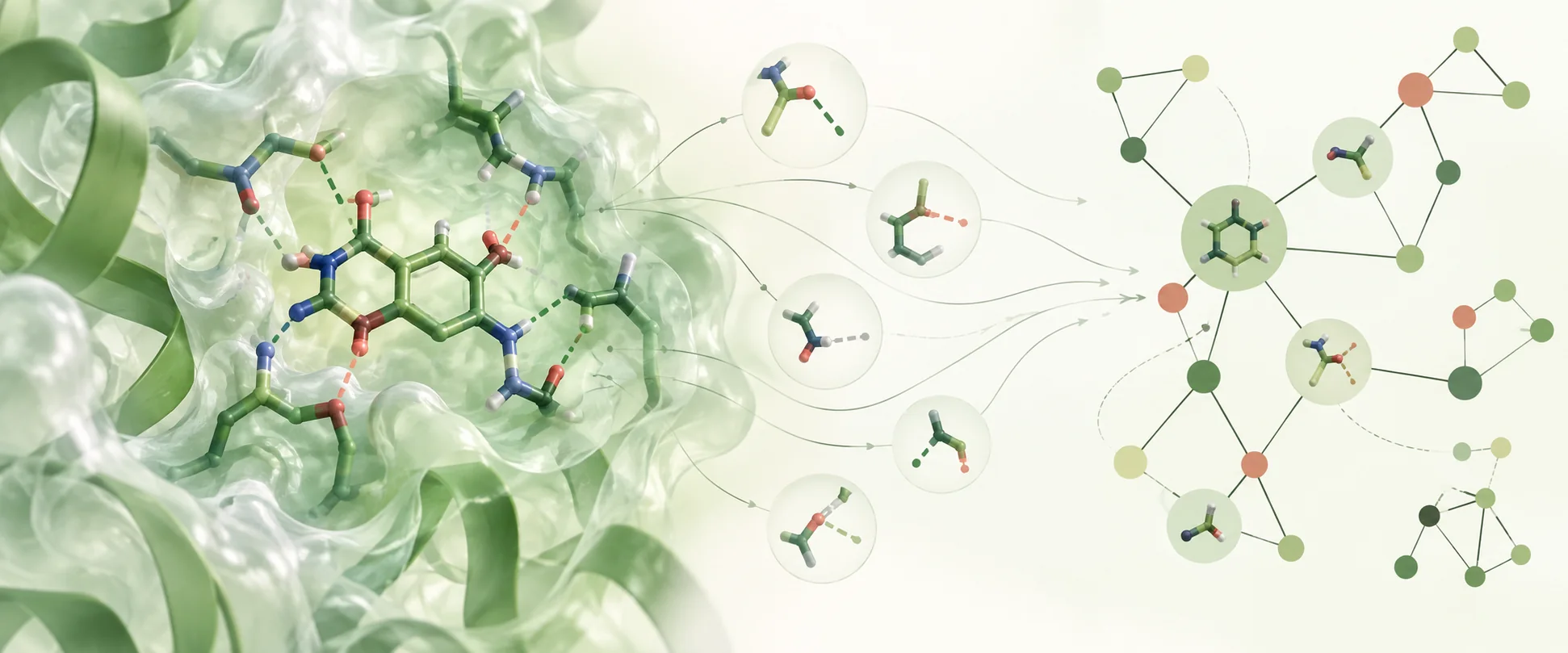
Molecular structures are represented as graphs. Repeated geometric and chemical subgraphs become interpretable features for screening, modeling, and scoring.
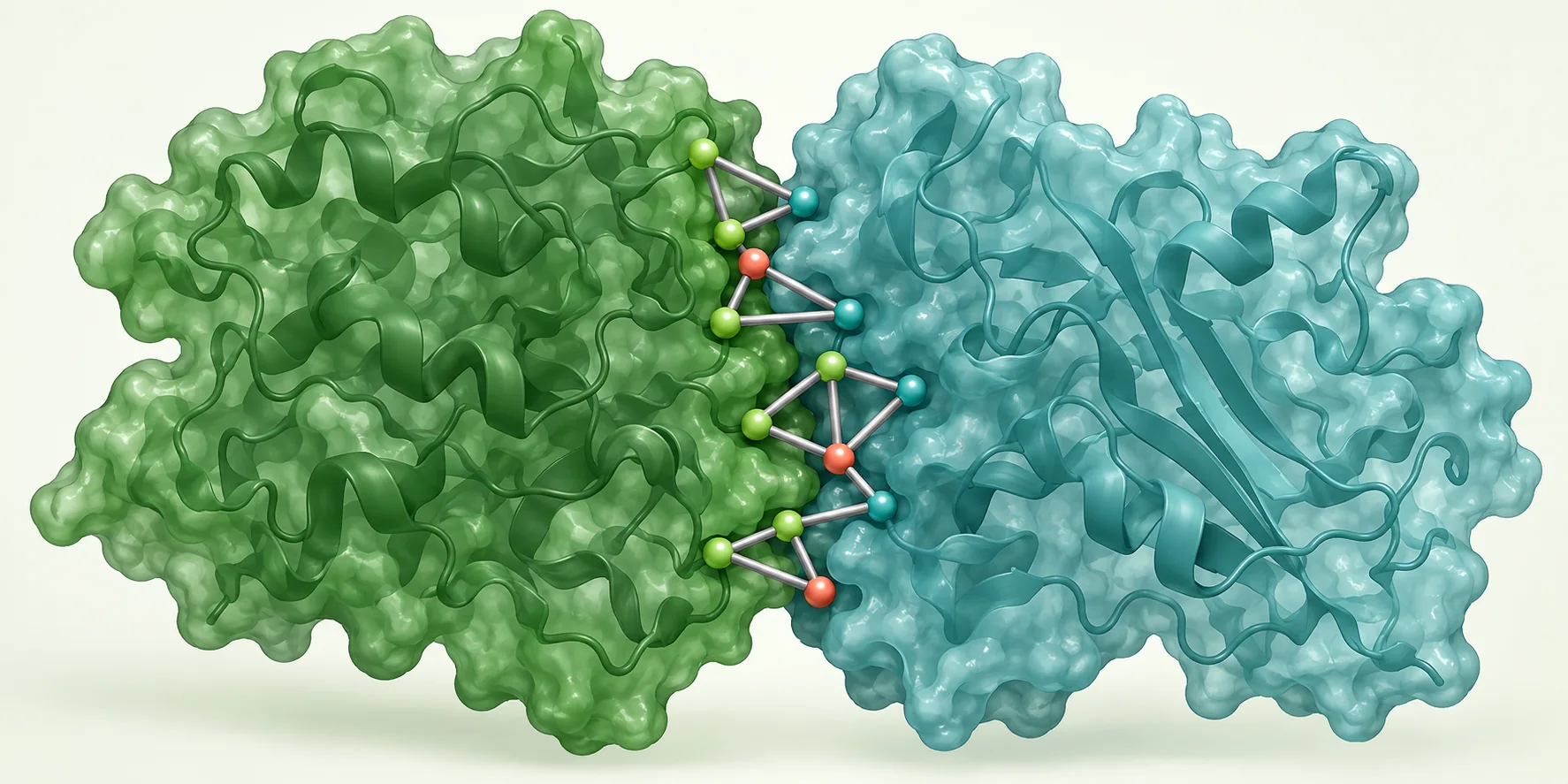
SPIDER compares the geometry of residues at a proposed protein interface with interaction patterns learned from naturally occurring complexes.
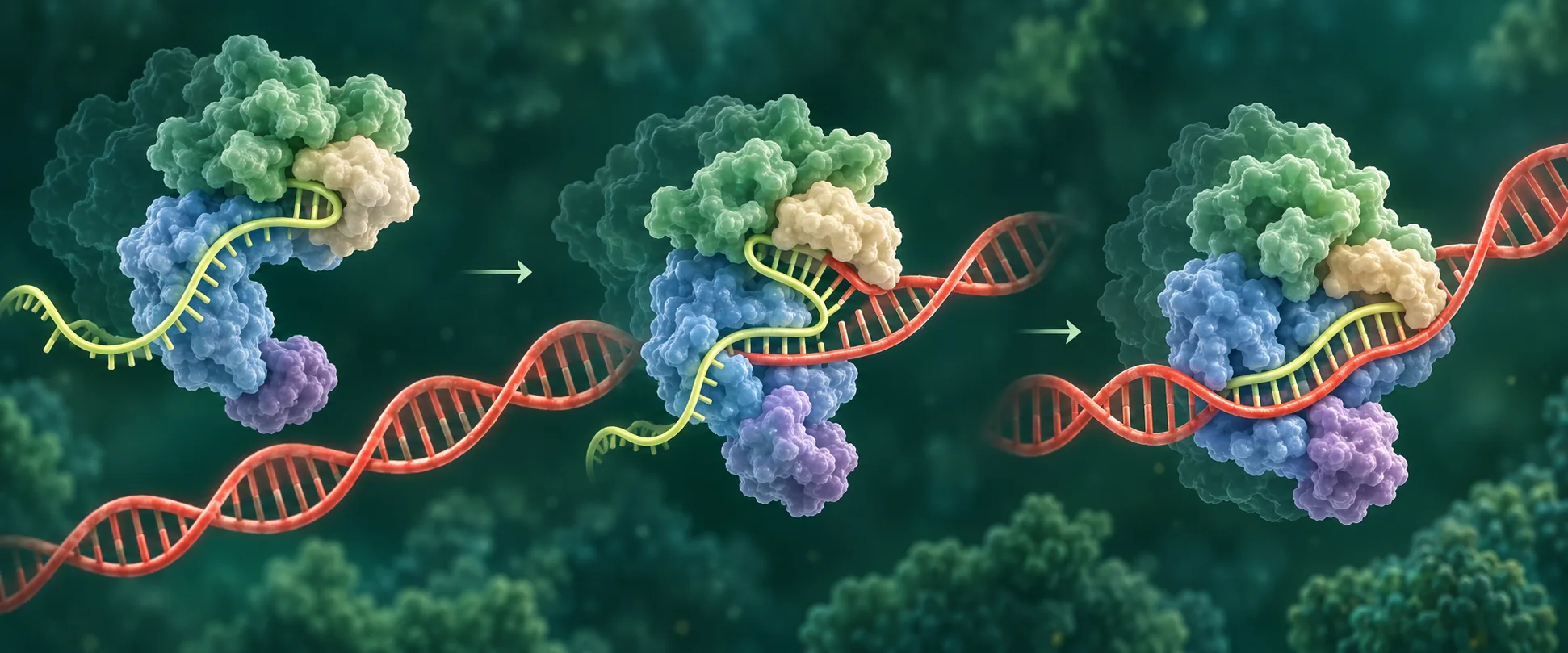
Simulation helps investigate recognition, conformational change, and RNA-guided DNA targeting at a level that can be difficult to observe experimentally.
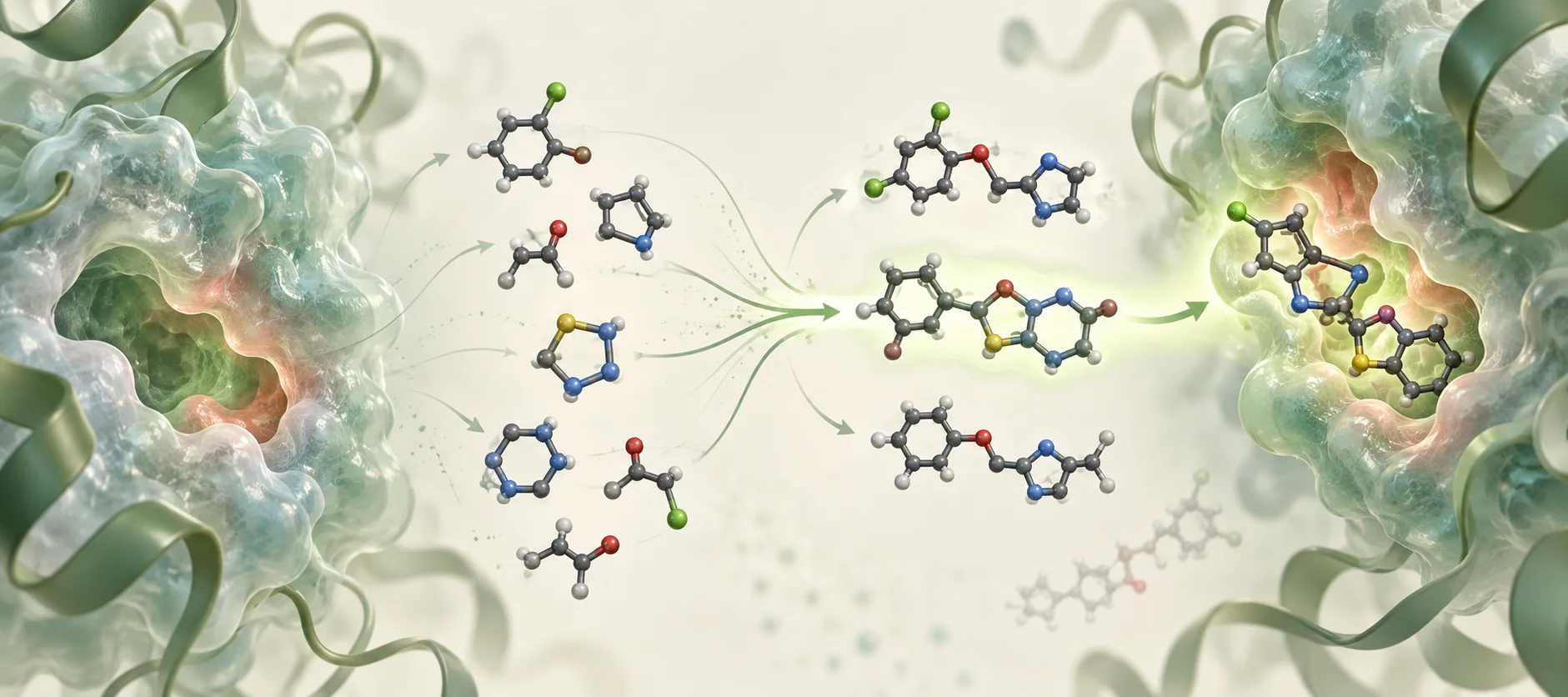
Pocket similarity retrieves useful molecular fragments; computational design and machine learning then help propose larger candidates for further evaluation.
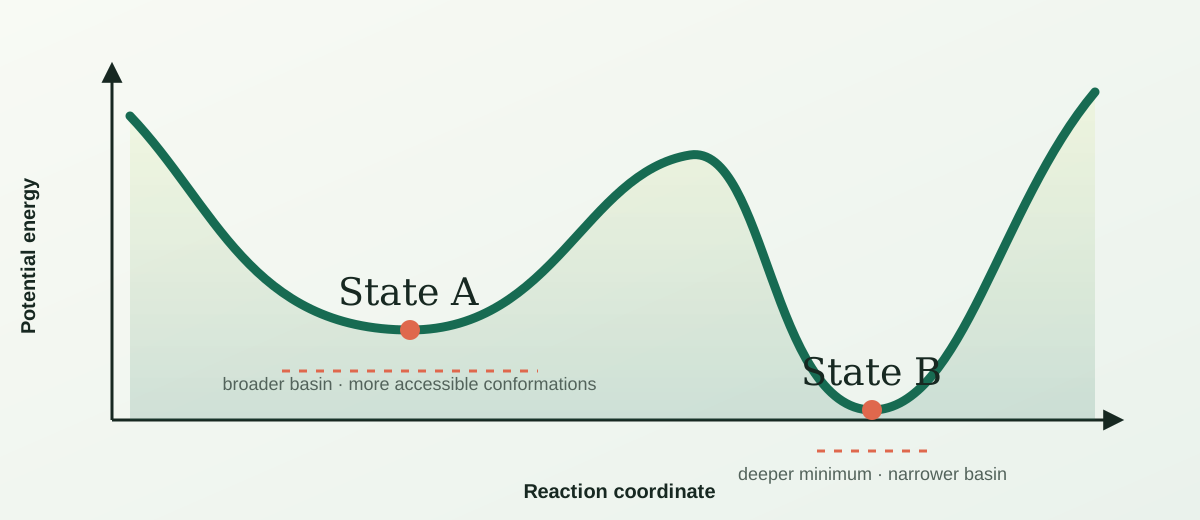
A scoring method that considers potential energy alone may favor state B. The broader basin of state A represents more accessible conformations, illustrating why entropy can change the free-energy picture.
These illustrations explain research concepts; they are not experimental results, measured structures, or claims of clinical performance.
Research software
Tools developed around recurring geometric and chemical features in protein structures and molecular interfaces.
An artificial-neural-network scoring function for protein-ligand docking, built from frequent geometric and chemical patterns at native interfaces.
In plain language: learn how atoms interact in known complexes, then use those patterns to rank possible binding poses.
A multi-body interaction scoring method that uses patterns of exposed interfacial residues to rank protein-protein docking decoys.
In plain language: compare how proteins touch, then move the most natural-looking pairings toward the top.
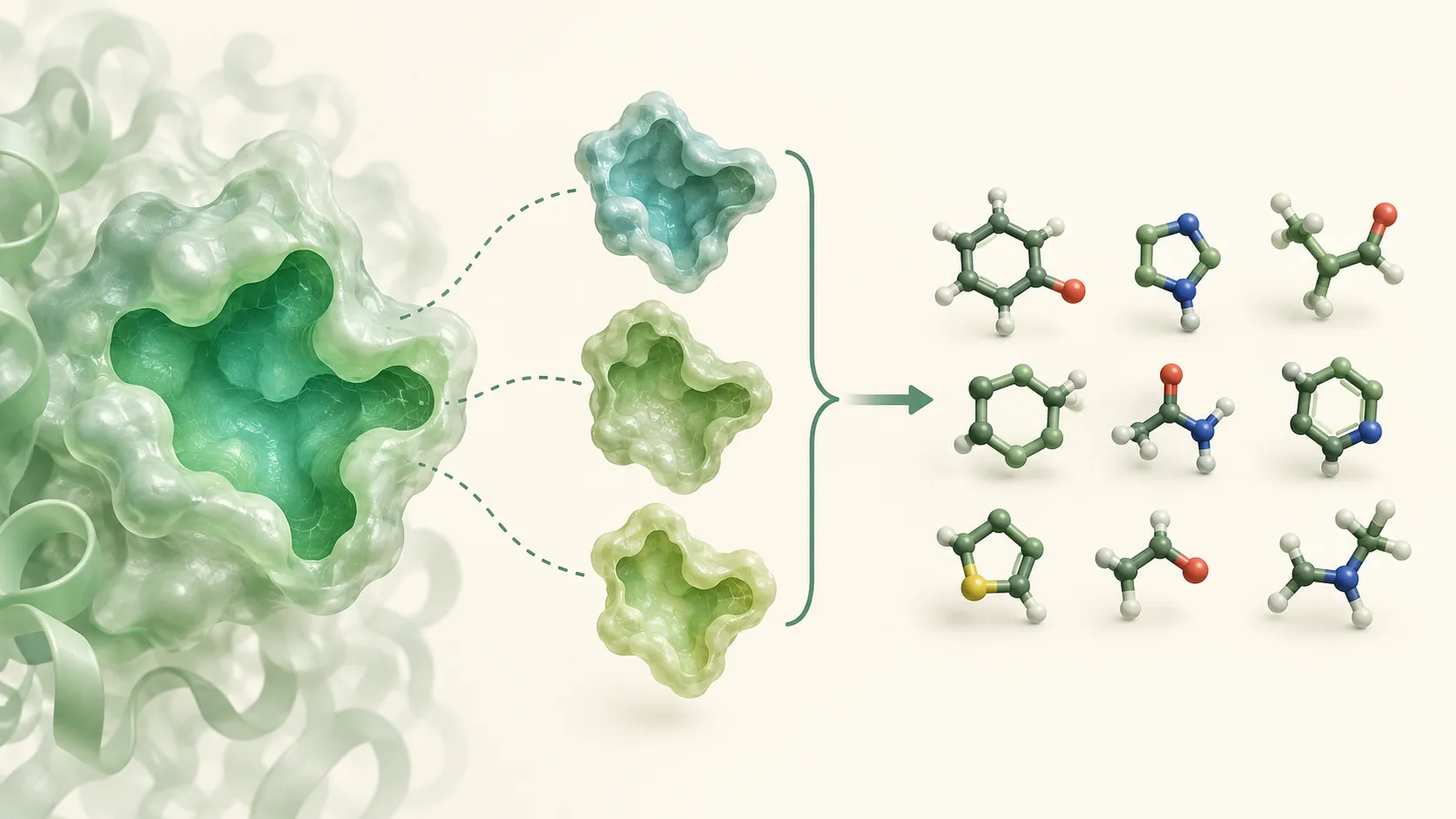
A free program for generating fragment-based virtual libraries by searching ligand-receptor pockets for structural similarity.
In plain language: find pockets shaped like the target and collect molecular pieces that already fit similar spaces.
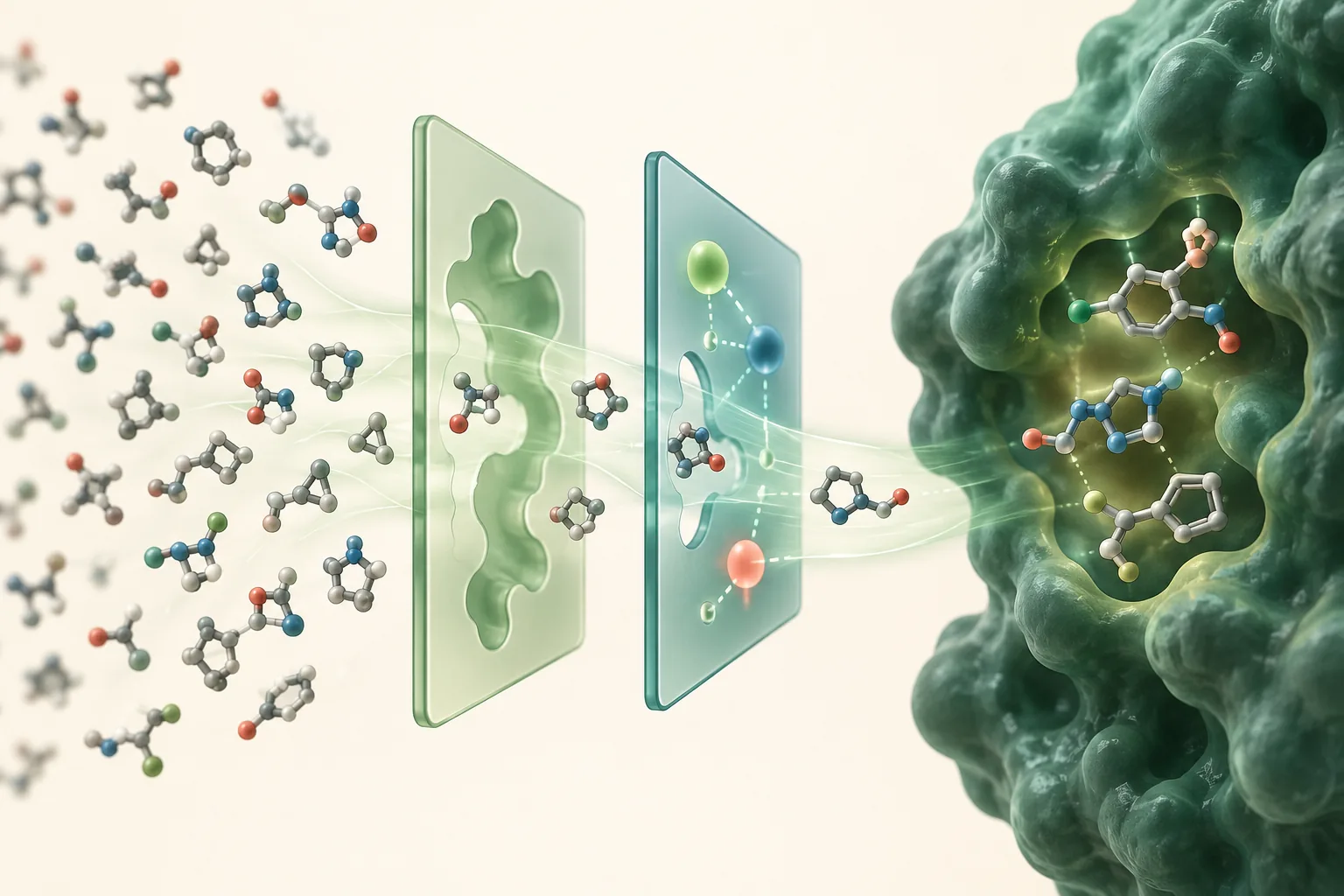
A fragment-based virtual screening approach that combines pocket similarity with geometric and chemical interaction patterns.
In plain language: filter many fragments down to the few that best match both the pocket’s shape and chemistry.
AI-supported fragment-based de novo design using pocket similarity search across native protein-ligand complexes.
In plain language: combine promising fragments into new candidate molecules for computational evaluation and further testing.
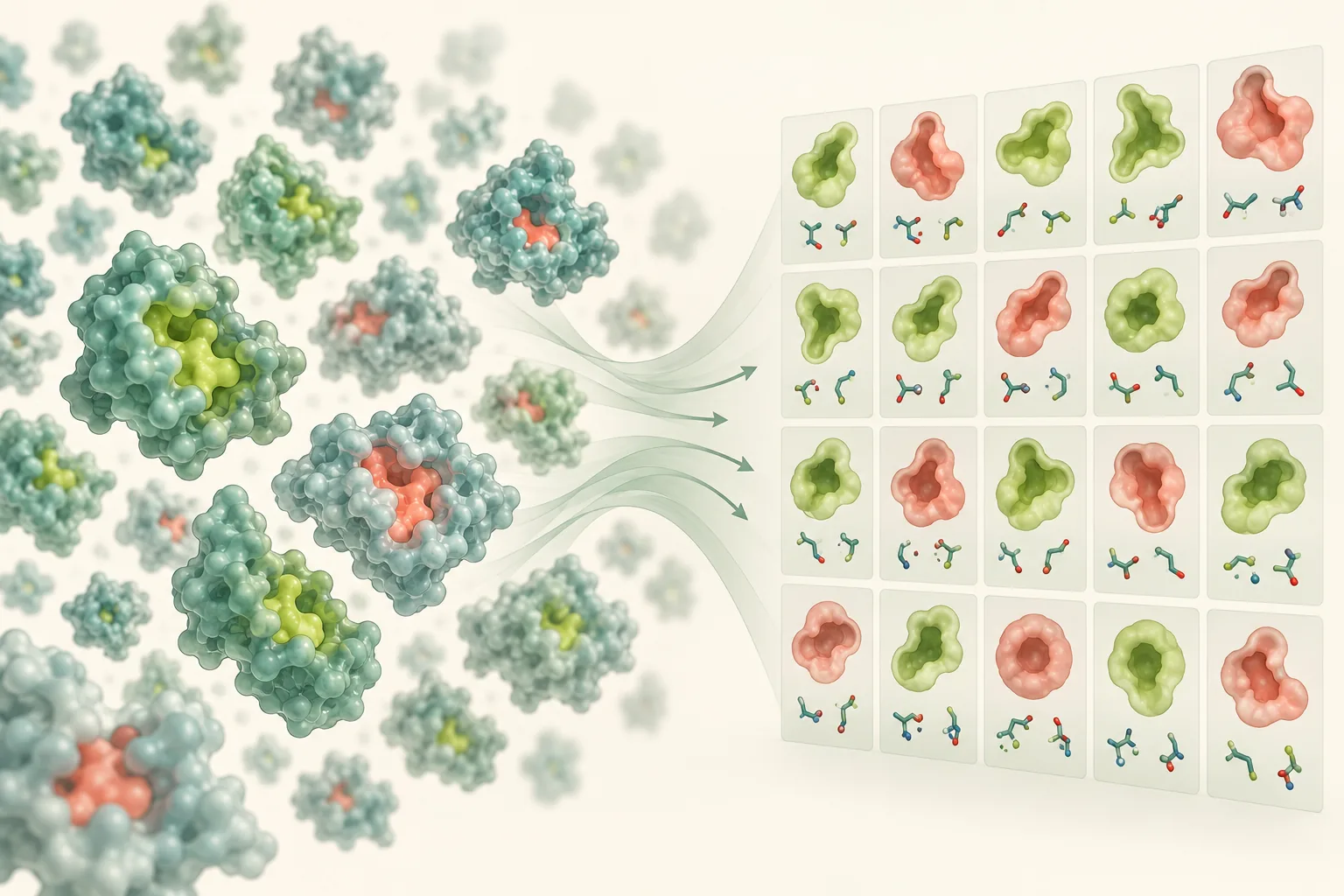
An automated analysis of more than 220,000 Protein Data Bank structures using Fpocket. The dataset includes predicted ligandable pockets, pocket geometry, and residue-level annotations for structure-based discovery.
In plain language: scan protein structures for possible binding sites and organize the results into searchable data.
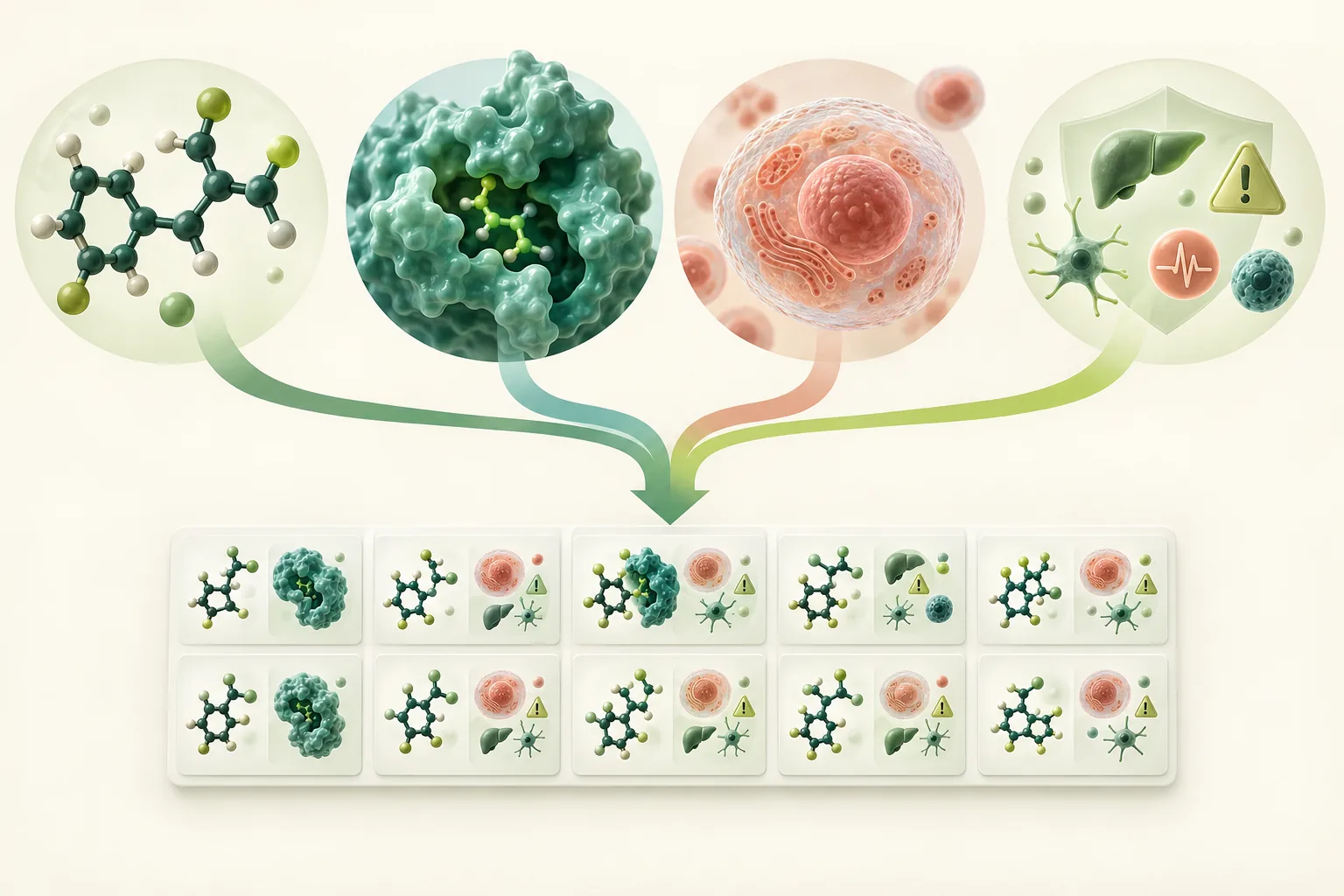
A reproducible pipeline that brings chemical, target-binding, therapeutic, and safety information together for nearly 6,000 small-molecule drugs in a machine-learning-ready dataset.
In plain language: bring scattered facts about each drug into one consistent record that computers can analyze.
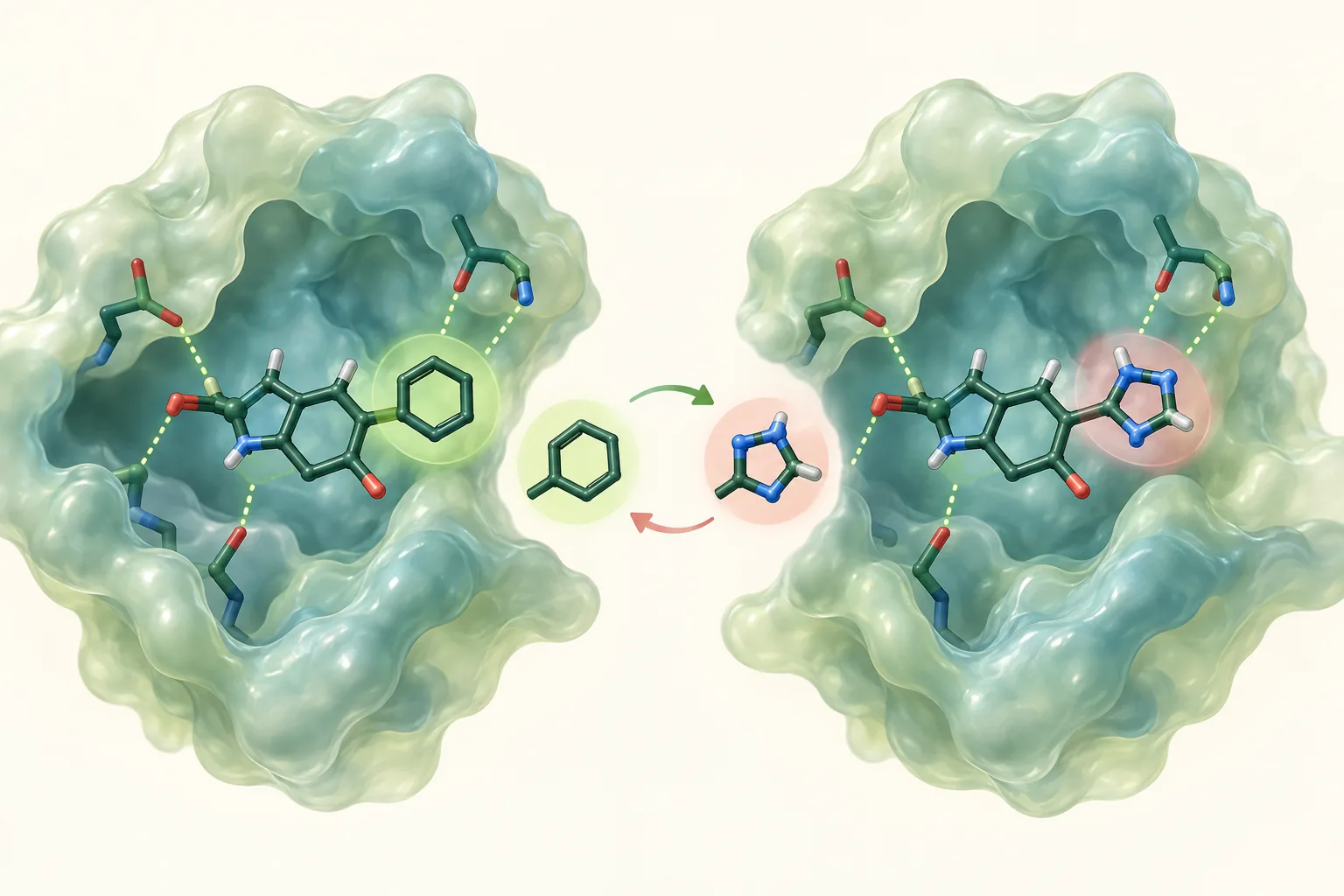
A structure-based approach to finding bioisosteres that share related binding pockets and similar geometric and chemical features.
In plain language: suggest a different chemical group that may preserve a molecule’s shape, interactions, and pocket fit.
The next frontier
An explainable-AI concept that connects the laboratory’s structural datasets, scoring methods, and molecular-design tools into one discovery pipeline.
What if a protein pocket could be searched as easily as a sequence—and every match could lead to a drug, an off-target warning, or a new molecule worth testing?
Convert pocket shape, residues, geometry, and chemical character into a machine-readable structural fingerprint.
PDBPocketsTrain an explainable model to recognize similar binding environments—even across proteins with unrelated sequences.
Pocket similarity + MLSearch integrated drug, target, therapeutic, and safety records for molecules already associated with matching pockets.
Drug DatasetRetrieve compatible fragments, propose replacements, and assemble new candidates while preserving useful interactions.
FragVScreen + ChemIsosteresScore each pose and show which geometric and chemical interaction patterns support the prediction.
MBI-ScoreReveal an unexpected pocket match that suggests an existing drug could be investigated for a different target or disease.
Identify similar pockets elsewhere in the proteome that may help explain side effects or guide safer molecular design.
Generate new fragments or substitutions while showing the structural evidence behind every recommendation.
A path from idea to evidence
The first contribution would not need to be a new medicine. A rigorous benchmark and one experimentally testable prediction could establish the platform’s value.
Status: This is a proposed research direction inspired by the laboratory’s published methods and public datasets—not a completed system, validated discovery, or claim of therapeutic performance. Explore the PDBPockets publication ↗
Publications
Verified recent journal articles together with conference abstracts, theses, book chapters, and works preserved from the laboratory’s original publication list.
About the PI
Associate Professor of Pharmaceutical Sciences at Long Island University, computational medicinal chemist, educator, licensed pharmacist, and developer of methods for understanding molecular interactions.
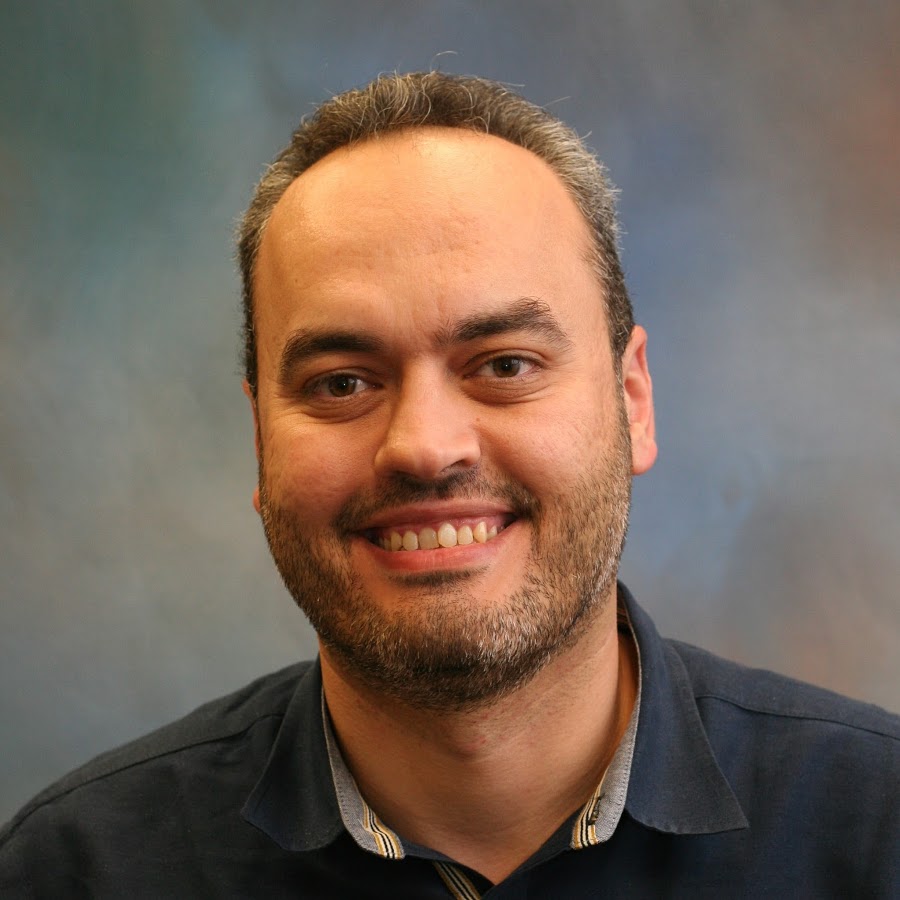
PhD, Pharmaceutical Sciences (Medicinal Chemistry) · University of North Carolina at Chapel Hill, 2003–2007. Dissertation: “Development & Application of Ligand/Structure-based Computational Drug Discovery Tools Based on Frequent Subgraph Mining of Chemical Structures.” Advisor: Prof. Alexander Tropsha.
MS, Pharmaceutical Sciences (Physical Pharmacy) · The University of Texas at Austin, 2000–2003. Thesis: “Refinement and Validation of BCUT Descriptors for Computer Assisted Drug Discovery.” Advisor: Prof. Robert S. Pearlman.
BS, Computer Science (minor in Chemistry) · Yarmouk University, 1997–2000; Bachelor of Pharmacy · Jordan University of Science & Technology, 1994–1999. Both degrees listed with honors.
Associate Professor, Division of Pharmaceutical Sciences, Long Island University–Brooklyn · 2022–present. Research includes transposon-encoded Type I-F CRISPR/Cas DNA targeting, insulin-receptor mechanisms, and AI-supported fragment-based de novo drug design.
Assistant/Associate Professor, USciences, Philadelphia · 2018–2022. Work included CRISPR/Cas and insulin-receptor mechanisms, plus an ANN-based multi-body interaction docking score.
Assistant Professor (Founding Faculty), UT Tyler · 2014–2017. Developed SCORPIONS for protein-fold scoring and methods for classifying protein families and functions from structural patterns.
Assistant Professor, King Faisal University · 2012–2014. Developed pocket-similarity methods for FragVLib and FragVScreen, structure-based bioisostere discovery, and multi-body interaction scoring.
Research Fellow, North Carolina Central University · 2008–2011. Developed MBI scoring methods and SPIDER for protein-protein interface decoys.
Earlier appointments include visiting scholar at UNC Chapel Hill, research fellow at Rutgers University–Camden, research assistant at UNC Chapel Hill and UT Austin, and an internship at Inspire Pharmaceuticals.
Computer-aided drug design; molecular dynamics simulation; cheminformatics and bioinformatics; fragment-based design; molecular descriptors; docking and scoring; graph mining of geometric and chemical interaction patterns.
Dr. Khashan brings more than two decades of computational research and education to undergraduate, graduate, and PharmD teaching. He has mentored doctoral and professional students and connects computational theory to patient-centered practice through more than ten years of community-pharmacy experience.
Founder and CEO of Artelligence Therapeutics LLC, as disclosed in a peer-reviewed 2025 publication.
View the official Long Island University faculty profile ↗
View the public authorship and company disclosure ↗
Contact
For research questions, collaborations, or information about the laboratory, get in touch.